New 2025 Legislation Changes the Game for Residential Contractors
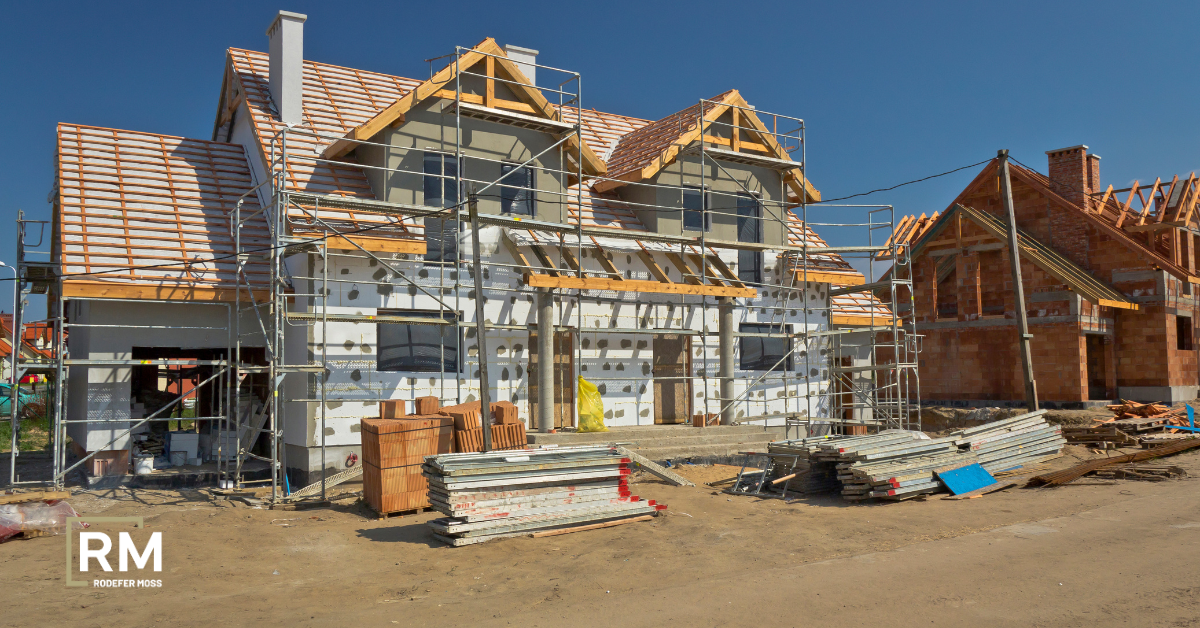
Contractors engaged in multi-family residential construction just received significant tax relief with new 2025 legislation that fundamentally changes tax accounting for long-term residential contracts. For residential construction contractors, this represents one of the most impactful tax changes in recent years.
What Changed?
Starting with contracts entered into in taxable years beginning after July 4, 2025, residential construction contractors are no longer required to use the Percentage-of-Completion Method (PCM) or the Percentage-of-Completion Capitalized Cost Method (PCCCM) for federal income tax or Alternative Minimum Tax (AMT) purposes, for contracts with an original expected duration that is less than three years at inception.
This is a game-changer. Contractors can now choose the Completed Contract Method (CCM) or other permissible accounting methods for qualifying contracts, providing more favorable accounting methods for income tax reporting.
Key Benefits for Contractors
No Revenue Thresholds: Unlike many tax provisions, this change has no income or gross-receipts limitations. Qualification is based solely on the type of project, not the size of your contracting business.
AMT Conformity: The new rules apply to both regular tax and AMT calculations, eliminating the complexity of maintaining different accounting methods for different tax purposes.
No Look-Back Rules: Contractors using these new provisions won't be subject to the burdensome look-back interest calculations that typically accompany long-term contracts.
What Qualifies as a "Residential Construction Contract"?
The legislation defines residential construction contracts as those where at least 80% of estimated total contract costs are attributable to:
- Building, construction, reconstruction, or rehabilitation of houses or apartments;
- Installation of integral components or improvements to residential living accommodations;
- Expected contract duration less than three years at inception.
Important exclusions: Hotels, motels, inns, and other establishments where more than half the units are used on a transient basis don't qualify.
Completion Timeline Requirements
- General residential projects: Must be reasonably estimated to complete within three years
- Home construction contracts (four or fewer dwelling units): Retain the existing two-year completion estimate requirement
Strategic Planning Opportunities
This legislation opens new doors for tax planning strategies:
- Cash Flow Management: CCM allows contractors to defer income recognition until project completion
- Year-End Planning: Greater flexibility in timing income and managing tax brackets
- Multi-Year Projects: Particularly beneficial for larger residential developments and apartment complexes
What This Means for Your Business
At Rodefer Moss, we understand that the construction industry operates on tight margins and complex project timelines. This new legislation provides our residential construction clients with tools to better align their tax obligations with their business cash flow.
The expanded eligibility beyond traditional "home construction contracts" means more of our clients can benefit from these favorable accounting methods, including those working on:
- Multi-family residential developments
- Large apartment complexes
- Residential rehabilitation projects
- Mixed-use developments with significant residential components
Next Steps
As we approach 2026 planning conversations, it's crucial to evaluate how these changes impact your specific situation. The timing of contract execution, project scope, and completion estimates all play critical roles in maximizing these new opportunities.
Ready to optimize your tax strategy? Our construction and real estate specialists at Rodefer Moss are here to help you navigate these changes and implement strategies that work for your business.
At Rodefer Moss & Co, PLLC, we're committed to "Listening Better, Trying Harder, Caring More" for our construction and real estate clients. Contact us today to discuss how the 2025 residential construction tax legislation can benefit your business.
Contact Rodefer Moss today to schedule your consultation and ensure you're maximizing these new tax opportunities.